Freediving guide
What Wetsuit Should You Use for Freediving in Hawaii?
Published · Updated
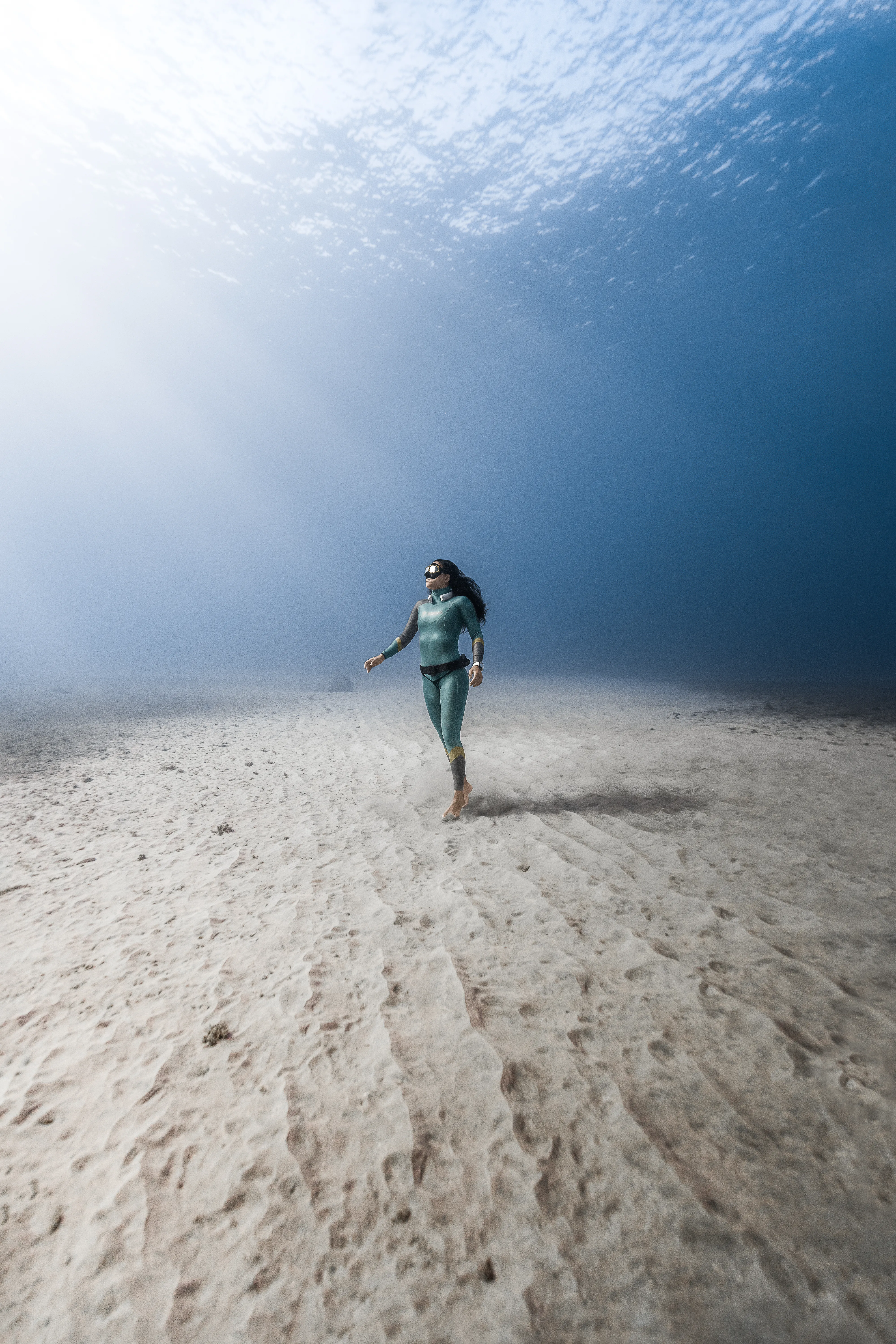
There is no single wetsuit thickness that is right for every freediver in Hawaii. The best choice depends on water temperature, time in the water, wind, depth, activity level, personal cold tolerance, fit, and the type of session you are doing.
Do you need a wetsuit in Hawaii?
Hawaii's water may feel warm at first, but freedivers spend long periods moving slowly, resting at the surface, and completing repeated dives. A wetsuit helps with warmth, sun protection, minor abrasion protection, and general comfort over a multi-hour session.
What wetsuit thickness works for Oahu?
There is no single thickness that suits every participant. What works depends on water temperature, how long you are in the water, wind and surface conditions, your personal cold tolerance, your body composition, how the suit is constructed and how well it fits, and how active the session is. Two people on the same course can reasonably want different suits, so treat any thickness you see quoted as a common example rather than a rule.
Why warmth matters during a freediving course
Cold is not just uncomfortable on a course day. Shivering, tension, and a shortened surface interval all work against relaxation, and relaxation is most of what makes early freediving go well. Staying warm enough to stay calm is a performance issue as much as a comfort one, which is why a suit that is slightly too warm on the surface is often the better choice for a long session.
How a wetsuit changes buoyancy and weighting
Many divers in Hawaii use a thin, full-length wetsuit as a common example, but there is no single thickness that is right for everyone. A diver who gets cold easily or is spending several hours in the water may need more insulation than someone completing a short, active session, and wind or surface conditions can make a diver feel colder between dives.
Wetsuits also add buoyancy, and thicker suits generally require more weight. Weighting should never be copied from another diver: it depends on the wetsuit, body composition, water type, and planned depth, and an instructor should help determine an appropriate configuration.
Why fit matters more than the label
A wetsuit should fit closely without restricting comfortable breathing or movement. Loose areas allow water to circulate and reduce warmth, while a suit that is excessively tight around the neck, chest, or shoulders can make breathing and relaxation uncomfortable. Confirm the expected conditions and recommended thickness before purchasing or renting a suit.
Open-cell and lined wetsuits
Open-cell neoprene is generally warmer and more flexible but requires lubricant to put on and is more delicate, while a lined (double-lined) wetsuit is generally more durable and easier to put on and take off, at some cost to warmth and flexibility. Which is appropriate depends on your budget, experience, and the type of diving you plan to do; ask an instructor or reputable dive shop for guidance rather than assuming one type suits every situation.
Is a wetsuit provided with the course?
Freediving-specific suits are designed for flexibility and warmth, but a suitable full-length surfing or diving wetsuit may work for introductory training when approved by the instructor. Fins, mask, snorkel, and a weight belt are provided on course; a wetsuit is not, so check what to expect during a beginner course before your session.
Wetsuits for depth training
As training moves toward deeper open-water dives, comfort, warmth, and streamlining over a longer session become more important. Divers training for greater depth often move toward a well-fitted, freediving-specific suit, but the right choice still depends on personal cold tolerance and the conditions on a given day; confirm what is appropriate with your instructor rather than assuming a single setup works for every depth.
Wetsuits for underwater photography
Photography sessions can involve extended time at the surface and in open water while positioning for a shot, so a full-length suit that adds warmth and protects against sun exposure and minor contact with the environment is generally useful. For the Creative Photo Session, a full wetsuit is required.
What to bring to your course
Check the individual course page to see what equipment is supplied. If you need to rent a wetsuit, arrange it before the morning of the course so there is time to confirm the fit, and review freediving conditions on Oahu to understand what a typical session looks like.
How to arrange a wetsuit rental
If you need to rent a wetsuit, your course confirmation email will include information about wetsuit-rental options. Arrange your rental before the morning of your course and confirm availability, sizing, and opening hours with the rental provider. To review what is supplied and what you are expected to bring, see what is included with the beginner course and read the Oahu water conditions and course locations guidance.
Ask before buying or renting
If you are uncertain about fit, avoid buying an expensive freediving wetsuit solely from an online size chart. Mitch can recommend reputable freediving wetsuit options for the conditions you are likely to encounter in Hawaii, but sizing and fit should be confirmed with the manufacturer or rental provider.
Before booking, compare the available freediving course options or review the equipment FAQ.
Compare freediving course options · Read the Oahu freediving course FAQ · How Mitch teaches and approaches safety